Quality sleep forms the foundation of physical health, mental clarity, and sustained daytime energy. When sleep is insufficient or fragmented, concentration suffers, mood declines, and overall performance drops. Fortunately, many evidence-supported habits can meaningfully improve both the quantity and quality of rest. These practices, often grouped under the term sleep hygiene, focus on consistency, environment, light exposure, and daily routines rather than quick fixes or unproven trends.
Prioritize a Consistent Sleep Schedule
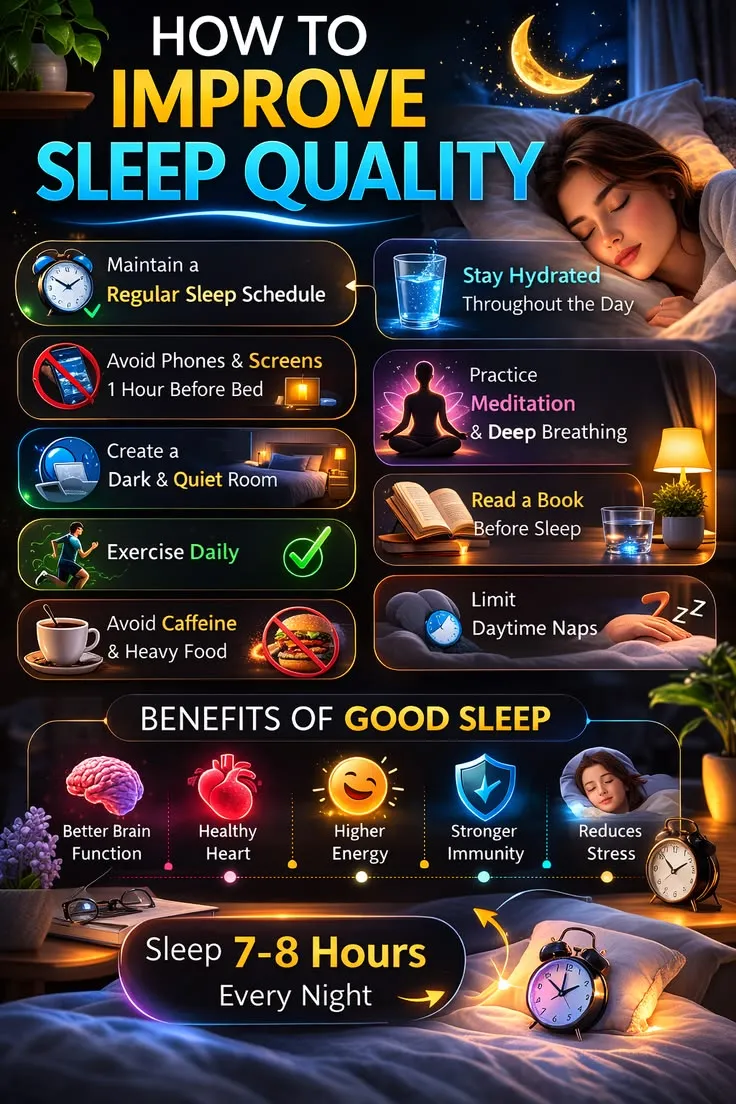
One of the most powerful levers for better sleep is regularity. Going to bed and waking up at approximately the same times every day, including weekends, helps stabilize the body’s internal clock. Large differences between weekday and weekend schedules can disrupt circadian rhythms and reduce sleep quality.
Most healthy adults function best with seven or more hours of sleep per night. Individual needs vary, and some people thrive with slightly more or less, but the key is protecting enough time in bed on a consistent basis. A fixed wake time often proves more influential than the exact bedtime, because it anchors the entire daily rhythm. Over time, the body learns to feel sleepy and alert at predictable hours, making both falling asleep and waking up easier.
Optimize the Sleep Environment
The bedroom should support uninterrupted rest. A cool temperature, typically in the range of about 65 to 68 degrees Fahrenheit for most people, promotes better sleep architecture. Excessive heat increases wakefulness and reduces deep and REM sleep stages.
Darkness is equally important. Light, especially blue-wavelength light, can suppress melatonin and signal the brain that it is still daytime. Blackout curtains, an eye mask, or removing glowing electronics help create the necessary darkness. Quiet also matters; white noise machines or earplugs can mask disruptive sounds when complete silence is impossible.
Comfort plays a supporting role. A supportive mattress and suitable pillows reduce physical discomfort that might otherwise cause tossing and turning. Reserving the bed primarily for sleep and intimacy further strengthens the mental association between the bedroom and rest.
Harness Light Exposure Wisely
Light is the strongest external cue for the circadian system. Morning exposure to natural daylight helps set the internal clock earlier, promoting daytime alertness and evening sleepiness. Spending time outdoors or near a bright window shortly after waking supports this process, even on cloudy days.
In the evening the opposite approach is needed. Bright artificial light, particularly from screens, can delay melatonin release and push sleep later. Dimming household lights and limiting device use in the hour or more before bed reduces this effect. When evening screen use is unavoidable, reducing brightness or using warmer color settings may help lessen the impact.
Manage Caffeine, Alcohol, and Meals
Substances consumed during the day influence nighttime rest. Caffeine is a well-known stimulant whose effects can last up to eight hours in some individuals. Consuming it in the late afternoon or evening often makes it harder to fall asleep or reduces sleep depth. Many experts recommend a midday cutoff for better results.
Alcohol may initially produce drowsiness, yet it fragments sleep later in the night and reduces restorative REM stages. Avoiding alcohol close to bedtime supports more continuous rest. Large or heavy meals within a few hours of sleep can also cause discomfort and disrupt sleep; lighter evening eating is generally preferable.
Nicotine acts as a stimulant and can interfere with both falling asleep and staying asleep, providing another reason to limit or eliminate its use, especially in the evening.
Incorporate Daytime Movement and Smart Napping
Regular physical activity is consistently linked with better sleep quality and efficiency. Exercise helps regulate energy levels and can reduce the time needed to fall asleep. For most people, completing moderate or vigorous activity earlier in the day works well. Intense exercise very close to bedtime may be stimulating for some individuals, so personal experimentation helps determine ideal timing.
Daytime naps can boost alertness when used carefully. Short naps of around 20 to 30 minutes earlier in the afternoon are less likely to interfere with nighttime sleep. Longer or late-day naps often make it harder to fall asleep at the desired bedtime.
Build a Calming Wind-Down Routine
A consistent pre-sleep routine signals the body that rest is approaching. Quiet activities such as reading in soft light, gentle stretching, progressive muscle relaxation, or deep breathing help transition from daytime alertness to sleep readiness. A warm bath or shower about an hour before bed can also support the natural drop in core body temperature that facilitates sleep onset.
If sleep does not come within roughly 20 minutes, leaving the bed and engaging in a low-stimulation activity until drowsiness returns prevents the bed from becoming associated with frustration.
Connect Better Sleep to Daily Energy
Improved sleep quality directly supports daytime energy, focus, and mood. Consistent restorative rest enhances cognitive performance, emotional regulation, and physical recovery. People who maintain regular schedules and supportive habits often report fewer afternoon energy dips and greater overall resilience.
These strategies work best when applied steadily rather than pursued as perfection. Obsessing over every metric or chasing unproven hacks can create unnecessary anxiety that itself interferes with sleep. Starting with one or two high-impact changes—such as a fixed wake time and morning light—often produces noticeable benefits that encourage further refinements.
Sleep optimization is ultimately about creating conditions in which the body’s natural regulatory systems can function effectively. By protecting consistent timing, managing light and environment, moderating stimulants, staying active, and allowing a proper wind-down, most people can improve both the quality of their nights and the energy available for their days. Persistent difficulties warrant consultation with a healthcare professional to rule out underlying sleep disorders.
Read more – gloryhouseworld.com
