Fresh fruits and vegetables form the foundation of a healthy diet, yet many end up spoiled before they can be enjoyed. Proper storage can extend their life by days or even weeks, reduce waste, and preserve flavor and nutrients. The key factors that determine how long produce stays fresh are temperature, humidity, airflow, and ethylene gas—a natural plant hormone that speeds ripening and can cause nearby items to spoil faster. Understanding these elements and applying simple habits makes a noticeable difference in any kitchen.
Understand Ethylene Gas and Separate Produce
Certain fruits release ethylene gas as they ripen. High producers include apples, bananas, avocados, tomatoes, peaches, pears, plums, mangoes, and melons. Ethylene-sensitive items such as leafy greens, broccoli, cauliflower, carrots, cucumbers, asparagus, and green beans react by yellowing, wilting, becoming bitter, or decaying more quickly. Store ethylene producers away from sensitive produce. In the refrigerator, dedicate one crisper drawer to fruits and another to vegetables whenever possible. On the counter, keep bananas and tomatoes separate from other items.
Set the Right Refrigerator Conditions
Keep the refrigerator at or below 40°F (4°C). Most modern refrigerators include crisper drawers with adjustable humidity vents. Close the vent for high humidity—ideal for leafy greens, broccoli, carrots, celery, cucumbers, peppers, and herbs that wilt easily. Open the vent for lower humidity, which suits apples, berries, and other fruits that tend to rot in moist conditions. Avoid overcrowding drawers so air can circulate.
Do not wash most produce until just before use. Excess moisture encourages mold and decay. Remove any damaged or moldy pieces promptly, as they accelerate spoilage of surrounding items.
Store Specific Fruits for Maximum Freshness
Apples last four to six weeks in the refrigerator when kept in a perforated bag or the low-humidity crisper, away from other produce. For shorter-term use they can sit on the counter, but refrigeration slows ripening.
Berries—strawberries, blueberries, raspberries, and blackberries—are highly perishable. Store them unwashed in a single layer in a container lined with paper towels in the refrigerator. Remove any soft or moldy berries first. They typically keep two to ten days depending on the type.
Bananas prefer the counter. Cold temperatures cause the skin to darken and the flesh to turn mealy. Wrapping the stems in foil can slow ripening of a bunch. Once fully ripe, they can be refrigerated briefly or frozen for later use in baking.
Stone fruits such as peaches, nectarines, plums, and apricots ripen best on the counter. Once they yield slightly to gentle pressure and smell fragrant, move them to the refrigerator and use within a few days.
Citrus fruits keep well on the counter for about a week or in the refrigerator for two to four weeks. Tomatoes should stay on the counter stem-side up or down until fully ripe; refrigeration dulls their flavor and texture.
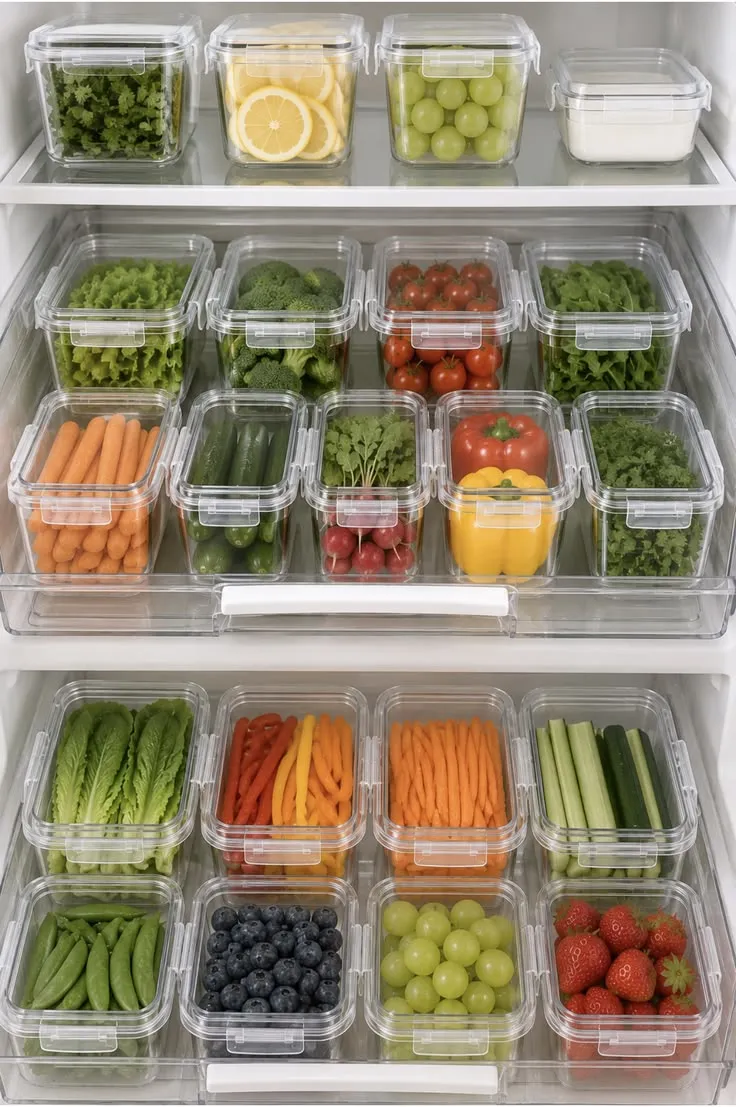
Keep Vegetables Crisp and Flavorful
Leafy greens such as lettuce, spinach, and kale benefit from thorough drying after any rinsing. Wrap them loosely in paper towels or store in a container with a paper towel to absorb excess moisture, then place in the high-humidity crisper. They generally last three to seven days.
Carrots, beets, and similar roots last longer when green tops are removed. Store in a plastic bag or container in the high-humidity drawer for several weeks. Celery stays crisp when wrapped tightly in aluminum foil or stored upright in a container of water.
Asparagus lasts best when the ends are trimmed and the spears stand upright in a jar with an inch of water, loosely covered with a plastic bag, in the refrigerator. Broccoli and cauliflower prefer the high-humidity crisper in perforated bags and should be used within a few days.
Mushrooms fare better in a paper bag than plastic, which traps moisture and speeds decay. Keep them in the refrigerator and use promptly.
Counter and Pantry Storage for Certain Items
Not everything belongs in the cold. Potatoes, sweet potatoes, onions, garlic, and winter squash prefer a cool, dark, well-ventilated place such as a pantry or cupboard. Avoid the refrigerator, as cold temperatures can convert potato starches to sugar and promote mold in garlic and onions. Keep potatoes separate from onions, because the gases they release can cause each other to spoil faster. Provide air circulation and protect from light to prevent greening or sprouting.
Unripe avocados, mangoes, and similar tropical fruits ripen on the counter. Once ripe, transfer them to the refrigerator to hold them for a short time.
Handle Cut Produce Safely
Any fruit or vegetable that has been cut, peeled, or cooked should go into clean, covered containers in the refrigerator within two hours and be eaten within three to four days. This practice limits bacterial growth and maintains quality.
Practical Habits That Make a Difference
Organize the refrigerator so ethylene producers and sensitive items stay separated. Check produce regularly and remove anything that is starting to soften or mold. Use the oldest items first. For herbs such as parsley and cilantro, trim the stems and place them in a jar of water like a bouquet, loosely covering the tops if desired. Basil is an exception and prefers room temperature.
By matching storage conditions to each type of produce—controlling temperature, humidity, and ethylene exposure—you can keep fruits and vegetables fresher for longer. These straightforward steps reduce waste, save money, and ensure that the produce in your kitchen remains appealing and nutritious until you are ready to use it.
Read more- marathimeanings.com
